


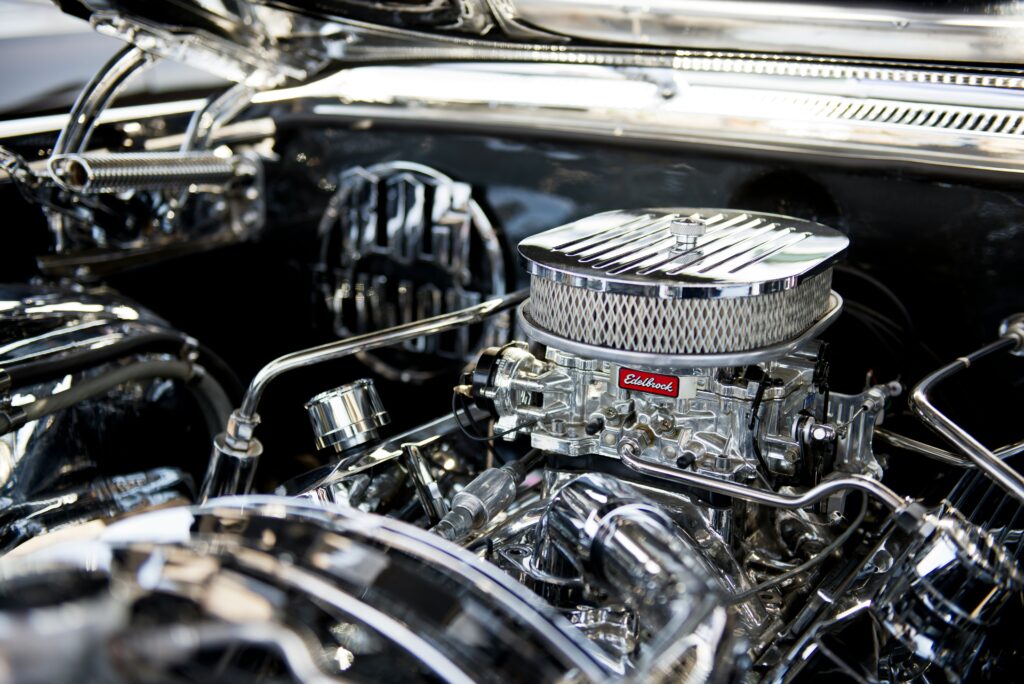
When it comes to cars, the engine is the heart of the machine. But not all hearts beat the same way. In this blog, we’ll dive into the world of car engines, exploring the various types and their unique characteristics. Whether you’re a car enthusiast or simply curious about what’s under your hood, this guide will help you understand the pros and cons of different engine types.
Beginners Guide to the Different Types of Car Engines


Internal Combustion Engines (ICE)
The most common type of engine, ICEs burn fuel inside the engine to create power.
Gasoline Engines:
Gasoline engines are the most prevalent type of internal combustion engines. They are known for their ability to deliver a good balance of performance and affordability. These engines work by mixing gasoline with air, compressing the mixture, and igniting it with a spark to create an explosion that drives the pistons. This process is repeated multiple times per second, producing the power needed to propel the vehicle.
- Pros: Widely available, generally less expensive, and offer good performance.
- Cons: Less fuel-efficient than some alternatives, higher emissions.
Diesel Engines:
These compression-ignition engines operate by compressing air in the cylinder to extremely high pressures, then injecting fuel directly into this super-heated air, causing spontaneous combustion. Known for their high torque output and fuel efficiency, diesel engines have long been the go-to choice for heavy-duty vehicles, trucks, and many European passenger cars.
- Pros: More fuel-efficient, higher torque, and longer-lasting than gasoline engines.
- Cons: Higher initial cost, noisier, and potentially higher maintenance costs.

Electric Motors
Electric motors are powered by rechargeable batteries and are becoming increasingly popular as a cleaner alternative to internal combustion engines. Unlike traditional engines, electric motors convert electrical energy directly into mechanical energy, providing a more efficient and eco-friendly propulsion system.
- Pros: Zero direct emissions, quiet operation, instant torque, and lower running costs.
- Cons: Limited range, longer refueling (charging) times, and higher initial purchase price.


Hybrid Engines
Hybrid engines combine an internal combustion engine (ICE) with an electric motor, offering a blend of technologies to maximize efficiency and performance. This combination allows hybrid vehicles to take advantage of the strengths of both power sources while mitigating some of their individual drawbacks.
Parallel Hybrids:
In parallel hybrid systems, both the internal combustion engine and the electric motor can drive the wheels directly. This configuration is particularly beneficial for city driving, where frequent stops and starts allow the electric motor to handle low-speed maneuvers, thereby conserving fuel.
Example: The Toyota Prius is one of the most well-known parallel hybrids. It uses a combination of a gasoline engine and an electric motor to deliver exceptional fuel economy, especially in urban environments.
- Pros: Good fuel efficiency, especially in city driving.
- Cons: More complex system, potentially higher repair costs.
Series Hybrids:
In series hybrid systems, the internal combustion engine is not connected to the wheels directly. Instead, it acts as a generator to charge the battery, which in turn powers the electric motor that drives the wheels. This setup can be more efficient in certain driving scenarios and provides a smooth and quiet driving experience.
Example: The Chevrolet Volt operates primarily as a series hybrid. It can run on electricity alone for a certain range before the gasoline engine kicks in to generate electricity, extending the vehicle’s range significantly.
- Pros: Potentially more efficient than parallel hybrids in some scenarios.
- Cons: Less efficient at highway speeds.


Rotary Engines
Unlike conventional engines with reciprocating pistons, rotary engines use a triangular rotor that revolves within an oval-shaped housing. This design creates three combustion chambers that continuously rotate, completing the four stages of intake, compression, combustion, and exhaust in a single revolution.
- Pros: Compact size, smooth operation, and high power-to-weight ratio.
- Cons: Lower fuel efficiency, higher oil consumption, and potentially shorter lifespan.
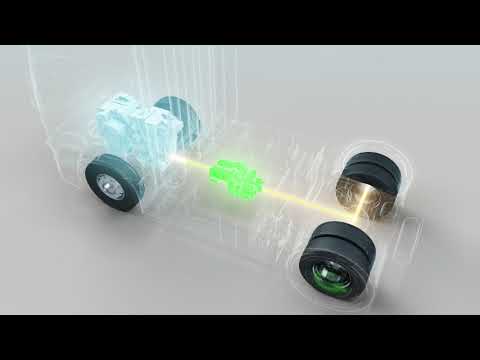
Hydrogen Fuel Cell Engines
Hydrogen fuel cell engines represent an innovative approach to powering vehicles, combining the clean operation of electric motors with the quick refueling capabilities of conventional cars. These engines are at the forefront of efforts to create zero-emission vehicles that don’t compromise on range or refueling time.
- Pros: Zero emissions (only water vapor), quick refueling compared to battery electric vehicles.
- Cons: Limited hydrogen infrastructure, high production costs, and energy-intensive fuel production.
To learn more about hydrogen fuel cell engines, check out our other Headlights article showcasing 6 hydrogen-powered cars you might not know about.
Overview of the Different Types of Car Engines
Each engine type has its own set of advantages and drawbacks. The best choice depends on various factors, including driving habits, environmental concerns, and budget. As technology advances, we’re likely to see continued improvements in all these engine types, as well as potential new innovations.
What type of engine does your car have? Share in the comments below, and let us know what you love (or don’t love) about it!