


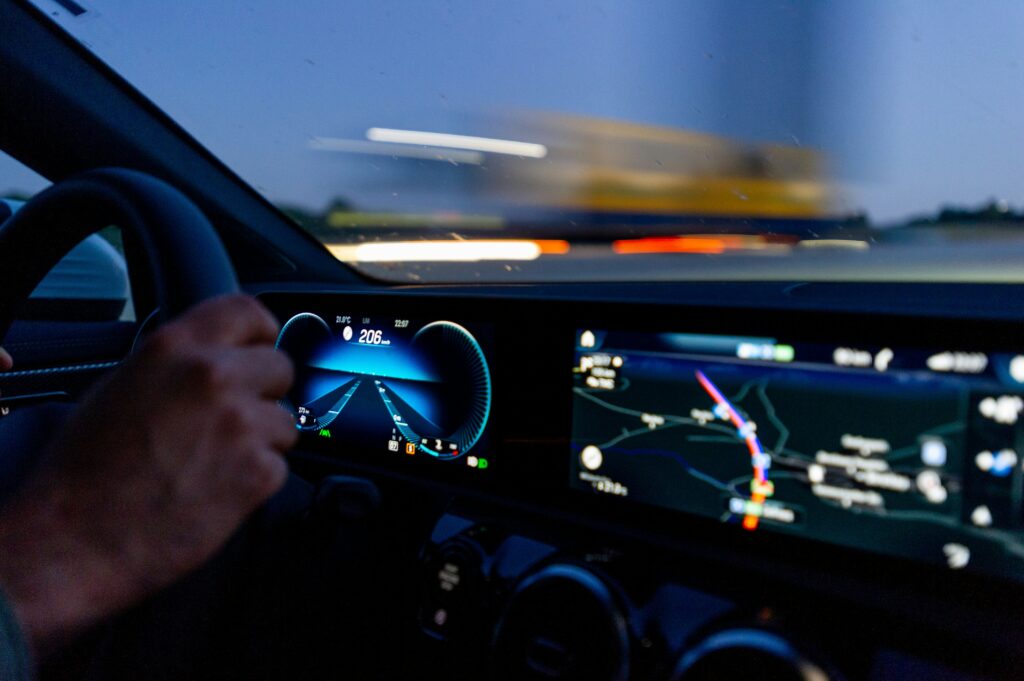
Speeding has always been a hot-button issue in traffic safety, and Virginia is about to take an unprecedented step in cracking down on chronic offenders. The state, already known for its strict speeding laws, is set to require speed limiters for those with multiple violations. While similar measures have been debated in Washington and California—with mixed results—Virginia is moving forward with a plan that could reshape how states handle reckless driving.
What are speed limiters?
The technology behind these speed limiters isn’t new. Already mandatory in new European vehicles, these systems use GPS to determine road speed limits and either alert the driver or physically restrict the car’s speed. The primary goal? To prevent drivers from exceeding certain speed limits, ultimately reducing accidents and making roads safer for everyone.
While many cars already come equipped with speed warnings, Virginia’s proposal goes a step further by mandating these systems for drivers with a history of reckless speeding. This marks a significant shift in traffic law enforcement, as it would be the first time in the U.S. that speed limiters are required on an individual basis rather than for entire vehicle categories.

How do speed limiters work?
There are different types of speed-limiting technology, each with varying levels of control:
- Advisory Systems: These notify drivers when they exceed the speed limit but do not physically restrict acceleration.
- Active Limiters: These physically prevent the car from surpassing a designated speed, automatically reducing throttle power if necessary.
Some systems, like Intelligent Speed Assistance (ISA), are already standard in European vehicles. ISA uses GPS and road sign recognition to adjust a vehicle’s speed in real time. In Virginia’s case, the specifics of enforcement remain unclear—will the devices provide only warnings, or will they actively control speed? One certainty is that tampering with these devices will carry additional penalties, similar to the state’s existing ignition interlock program for DUI offenders.
Will Speed Limiters Be Effective?
The effectiveness of speed limiters remains a topic of debate. While data from European countries shows a decrease in high-speed accidents following the implementation of ISA, skeptics argue that determined drivers will find ways around these restrictions.
Historically, enforcement efforts have had mixed success. Japan once attempted to curb high-speed driving culture through a “gentleman’s agreement” among automakers, limiting horsepower and implementing chime-based speed warnings. However, many drivers bypassed these limitations through software hacks or modifications. The challenge in Virginia will be ensuring compliance and preventing technological workarounds.
Additionally, studies suggest that while speed limiters can reduce excessive speeding, they are less effective in preventing reckless driving behaviors like tailgating or aggressive lane changes. The real question is whether Virginia’s initiative will significantly impact road safety—or simply push reckless drivers to find new ways to evade restrictions.

Vehicles Affected
Speed limiters are most commonly used in vehicles that pose a higher risk of accidents when driven at excessive speeds. These include:
- Heavy goods vehicles (HGVs) – Many countries mandate speed limiters in commercial trucks to enhance road safety.
- Public service vehicles (PSVs) – Buses and taxis often use speed limiters to prevent reckless driving in urban areas.
- High-performance sports cars – Some manufacturers voluntarily install speed limiters, capping speeds to reduce accident risks.
- Electric vehicles and autonomous cars – As technology advances, manufacturers are increasingly incorporating intelligent speed limiters into these vehicles.
In Europe, speed limiters are mandatory for HGVs and PSVs to prevent unsafe speeds. The United States has no federal requirement for speed limiters, though some states have explored legislation targeting specific vehicle categories.


The Pros and Cons of Speed Limiters
Like any new regulation, Virginia’s speed limiter law has both benefits and drawbacks.
The Benefits
- Reduced Accident Risk: Speeding is a leading cause of accident fatalities. Limiting speed could drastically lower the likelihood of high-speed collisions.
- Environmental Gains: Driving at a controlled speed reduces fuel consumption and lowers emissions, contributing to a greener environment.
- Lower Maintenance Costs: Vehicles driven at excessive speeds experience more wear and tear. Speed limiters could extend the lifespan of brakes, tires, and engines.
- Potential Insurance Incentives: Some insurers may offer discounts to drivers with speed-limited vehicles, recognizing them as lower-risk policyholders.
The Challenges
- Driver Resistance: Many drivers feel that speed limiters restrict personal freedom and flexibility, particularly on long trips where maintaining a higher speed might be preferable.
- Technical Issues: Malfunctions in GPS or sensor technology could lead to unnecessary speed restrictions, frustrating drivers.
- Enforcement and Compliance: Some drivers may attempt to disable or circumvent the limiters, making enforcement a continuous challenge.
- Equity Concerns: Critics argue that the law could disproportionately impact lower-income individuals who rely on their vehicles for work but may not afford newer cars with built-in compliance systems.


Could Virginia’s Law Spark a Nationwide Trend?
With Virginia pioneering this approach, other states will be watching closely. If successful, the law could inspire similar legislation nationwide. However, if it proves difficult to enforce or if drivers find ways around the system, it may serve as a cautionary tale instead.
The broader implications of this technology is undeniable. As new car tech advances, intelligent speed control may become a standard feature rather than an imposed restriction. For now, Virginia is taking a bold step—one that could either revolutionize traffic safety or ignite further debate on the balance between regulation and driver autonomy.
What do you think? Should speed limiters be mandated for chronic offenders, or is this an overreach in driver regulation?