


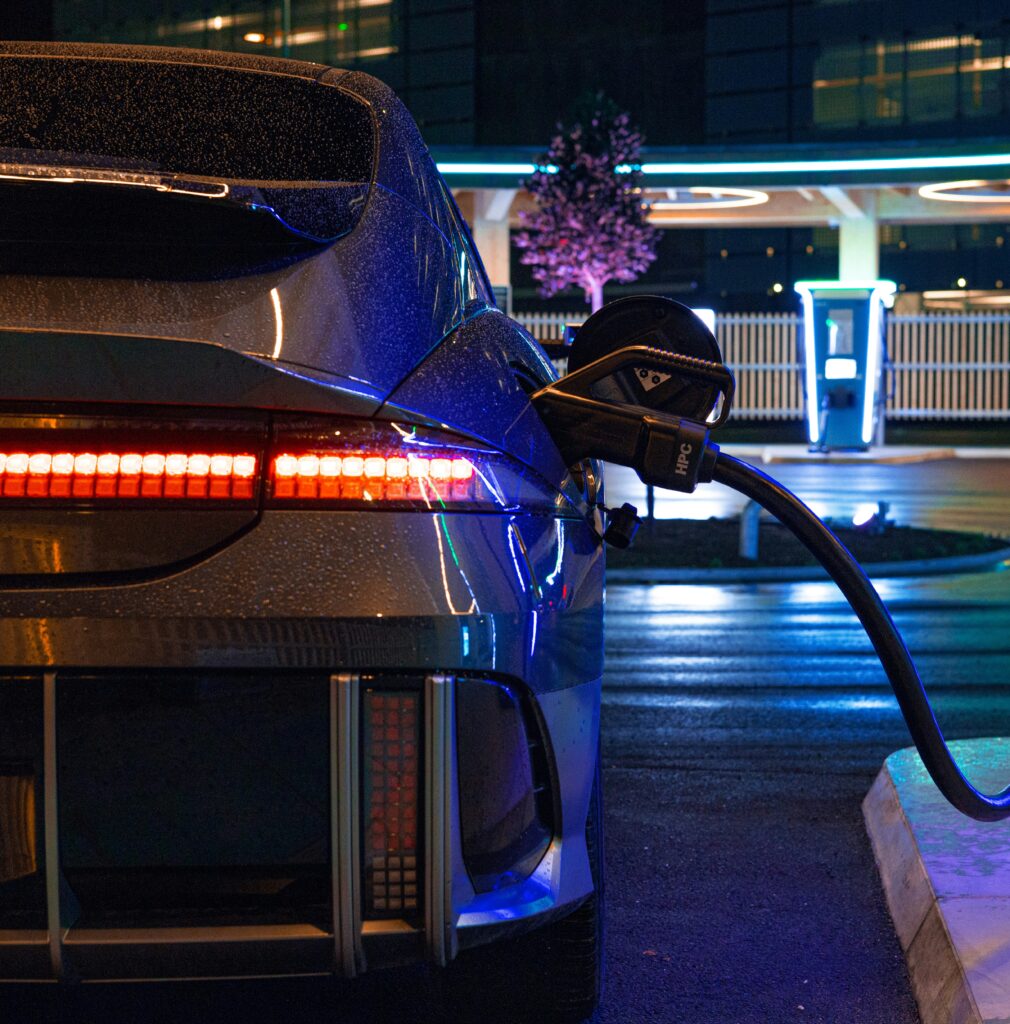
The electric vehicle revolution is accelerating, and America’s infrastructure charging boom is racing to keep pace. With the U.S. electric vehicle charging infrastructure market projected to explode from $5.09 billion in 2024 to $24.07 billion by 2030—representing a staggering 30.3% compound annual growth rate—we’re witnessing the largest transportation infrastructure transformation since the Interstate Highway System.
This isn’t just about plugging in cars. It’s about reimagining how Americans move, where they live, and how entire industries will evolve around electric mobility.
The Numbers Tell an Extraordinary Story
The scale of America’s charging infrastructure expansion defies easy comprehension. Current projections show the public charging network growing from approximately 200,000 charging points at the end of 2024 to over 500,000 by 2030. That means adding roughly 50,000 new public charging points annually—about 137 new chargers every single day.
But the real story lies in the technology driving this growth. Fast charging infrastructure is leading the charge, accounting for 60.36% of the market in 2024. DC fast charging ports are experiencing the most dramatic expansion, increasing by 7.4% quarter-over-quarter, as consumers demand the convenience of rapid charging for long-distance travel.
The geographic distribution reveals interesting patterns. While California continues to dominate with the highest concentration of charging ports, the Northeast region showed the largest quarterly growth at 13.2% in Q2 2024, signaling that EV infrastructure expansion is rapidly spreading beyond traditional early-adopter markets.
Federal Investment Reshapes the Landscape
The federal government’s commitment to electrification provides unprecedented support for this transformation. The Infrastructure Investment and Jobs Act allocated $7.5 billion specifically for EV charging infrastructure, while the Inflation Reduction Act added substantial tax credits for both vehicle purchases and charging station installations.
The National EV Infrastructure Program aims to create a nationwide network of fast chargers along major corridors, ensuring no American is more than 50 miles from a charging station. However, implementation has faced challenges—by the end of 2024, only around $30 million of the allocated funds had been spent on operational charging points, with the remainder subject to ongoing review and potential policy changes.
State and local governments are also stepping up with ambitious targets. California’s mandate to ban internal combustion engine sales by 2035 has created a template that other states are following, driving coordinated infrastructure planning across regions.


Technology Innovation Accelerates Deployment
The charging infrastructure boom isn’t just about quantity—it’s about revolutionary improvements in charging technology that make electric vehicles more practical for mainstream adoption.
Ultra-fast charging represents the cutting edge of this evolution. Chargers delivering 350kW and above can add hundreds of miles of range in just 15-20 minutes, fundamentally changing the road trip experience for EV drivers. And innovation is only getting better. BYD’s new Super e-Platform uses lithium iron phosphate Blade battery tech, designed to charge up to 1,000 kW. With ultra-fast chargers, you can add 470 km in just five minutes.
Smart charging technology with load management is becoming standard, allowing the electrical grid to balance demand and optimize energy distribution. Bi-directional charging capabilities enable vehicles to act as mobile power sources, potentially transforming how Americans think about energy storage and grid resilience.
Automated payment systems are eliminating the friction of multiple charging networks and payment methods, while portable charging stations offer solutions for areas where permanent infrastructure isn’t yet viable.
Market Segments Drive Different Growth Patterns
The charging boom is creating distinct market segments, each with unique growth trajectories and business models.
Residential Charging: Single-family homes represent the largest segment, with 70% of residential chargers expected to be sold directly by EV manufacturers or dealerships by 2030. This bundling approach simplifies the customer experience while ensuring charging capability matches vehicle specifications.
Multi-Unit Residential: Apartment buildings and condominiums represent the fastest-growing segment, projected to rise from nearly zero to 17% of the total market by 2030. This growth requires new approaches to property management, electrical infrastructure, and tenant services.
Commercial and Fleet: Fleet electrification is driving sophisticated charging solutions that optimize routes, minimize downtime, and reduce operational costs. Commercial charging locations at workplaces, retail centers, and hospitality venues are becoming customer amenities and revenue centers.
Highway Corridors: Fast-charging stations along major highways are essential for enabling long-distance EV travel. These high-utilization locations often achieve the strongest financial returns while serving the most critical infrastructure need.
Economic Impact Extends Beyond Charging
The $24 billion charging infrastructure investment will generate substantial economic ripple effects across multiple industries.
Construction and Electrical Services Installing charging infrastructure requires specialized electrical work, trenching, and construction services. This creates sustained demand for skilled trades while driving innovation in installation techniques and equipment.
Real Estate and Property Development Properties with charging infrastructure command premium values and rental rates. New construction increasingly includes charging capabilities in planning phases, while existing properties invest in retrofits to remain competitive.
Utilities and Energy Management Electric utilities are adapting business models to accommodate new load patterns and peak demand scenarios. Many are entering the charging market directly while upgrading grid infrastructure to support increased electrical demand.
Software and Technology Services Charging networks require sophisticated software platforms for payment processing, load management, maintenance scheduling, and customer service. This creates opportunities for technology companies while driving innovation in user experience design.


Challenges Remain Despite Explosive Growth
The rapid expansion of charging infrastructure faces several significant hurdles that could impact the timeline and success of this transformation.
Grid Capacity and Upgrade Requirements Adding hundreds of thousands of charging points requires substantial electrical grid upgrades, particularly in areas with aging infrastructure. Utilities must balance immediate charging needs with long-term grid modernization plans.
Skilled Workforce Shortages The specialized electrical work required for charging infrastructure installation faces workforce constraints. Training programs and certification processes are struggling to keep pace with installation demand.
Rural and Underserved Area Coverage While urban and suburban charging deployment accelerates, rural areas and underserved communities face economic and logistical challenges that could create charging deserts.
The Road to 2030: Transformation Accelerates the Infrastructure Charging Boom
America’s charging boom transformation extends far beyond the impressive growth numbers. By 2030, electric vehicle charging will be seamlessly integrated into daily life, with charging availability influencing everything from housing decisions to travel planning.
The success of this $24 billion investment will decide if America leads or lags in the global shift to electric vehicles. So far, the groundwork is being laid for long-term growth — supporting millions of EVs while creating new industries and jobs.
For anyone in the auto world, understanding this change isn’t optional — it’s key to navigating the future of transportation. This charging boom isn’t just about infrastructure — it’s the foundation of a new automotive ecosystem that will shape the next decade.