

Technology Trends To Expect In 2026
The automotive world is accelerating into a new era of connectivity and automation. Looking towards 2026, several technology trends are emerging as pivotal advancements for vehicle design, driver experience, and mobility at large. Below, we explore the top five innovations to watch.
Latest Technology Trends to Watch in 2026
1. Vehicle‑to‑Everything Communication
One of the most important leaps in car technology is the move from isolated smart cars to cars that talk to everything around them: road infrastructure, other vehicles, and even the grid. This concept, known as Vehicle‑to‑Everything, is expected to become far more prevalent in the coming year.
A car may receive information that a traffic light ahead is about to change, or that a pedestrian is stepping into a crosswalk and proactively monitor its speed. The outcome: safer driving, fewer surprises, and a traffic network that functions more intelligently.
For drivers, V2X means reduced risk, smoother rides, and safer experiences. For cities, it means less congestion and more efficiency.
2. Artificial Intelligence and Adaptive Vehicle Experience
In 2026, artificial intelligence isn’t just a buzzword. It’s embedded deeply in the driving experience. Modern cars are learning your preferences, adapting climate and seating based on your habits, adjusting road behavior based on driving style, and even monitoring your attention level.
Beyond just reacting, AI can predict what you need: imagine a car that suggests a quieter route because it knows you’re tired, or proactively adjusts suspension because it detects a rough road in the path. For vehicle buyers, this means cars will feel more “human” and intuitive. It also means data‑privacy and software reliability will matter more than ever.
3. Ultra‑Fast Charging & Electrification Infrastructure
Electric vehicles continue to occupy much of the innovation in car tech. One of the major breakthroughs for 2026 is rapid charging: reducing “charging anxiety” by shortening the time it takes to recharge significantly. For example, one leading firm announced technology that can add hundreds of miles of range in just a few minutes.
Similarly, the infrastructure supporting EVs is expanding fast. A transformation of America’s charging network is underway, with major investments, more fast‑charging stations and smarter grid integration.
If you’re considering purchasing an electronic vehicle in the upcoming year, the difference between “standard” and “superior” charging experiences will likely rely on both the car’s fast‑charge capability and the network that supports it.
Augmented Reality Dashboard and Heads-Up Displays
In 2026, dashboards and display systems are evolving beyond simple screens. Augmented Reality will bring navigation cues, hazard alerts, and vehicle systems information into real time and directly into the driver’s field of view. One technology outlook noted futuristic dashboards where every window might act as a screen or display surface.
Imagine turn‑by‑turn arrows projected onto the road surface, lane‑change alerts overlaying your view, or hazard markers appearing when needed. All said features increase safety ratings by allowing drivers to keep their eyes on the road while still absorbing necessary information.
5. Advanced Sensor & Light‑Beam Technologies
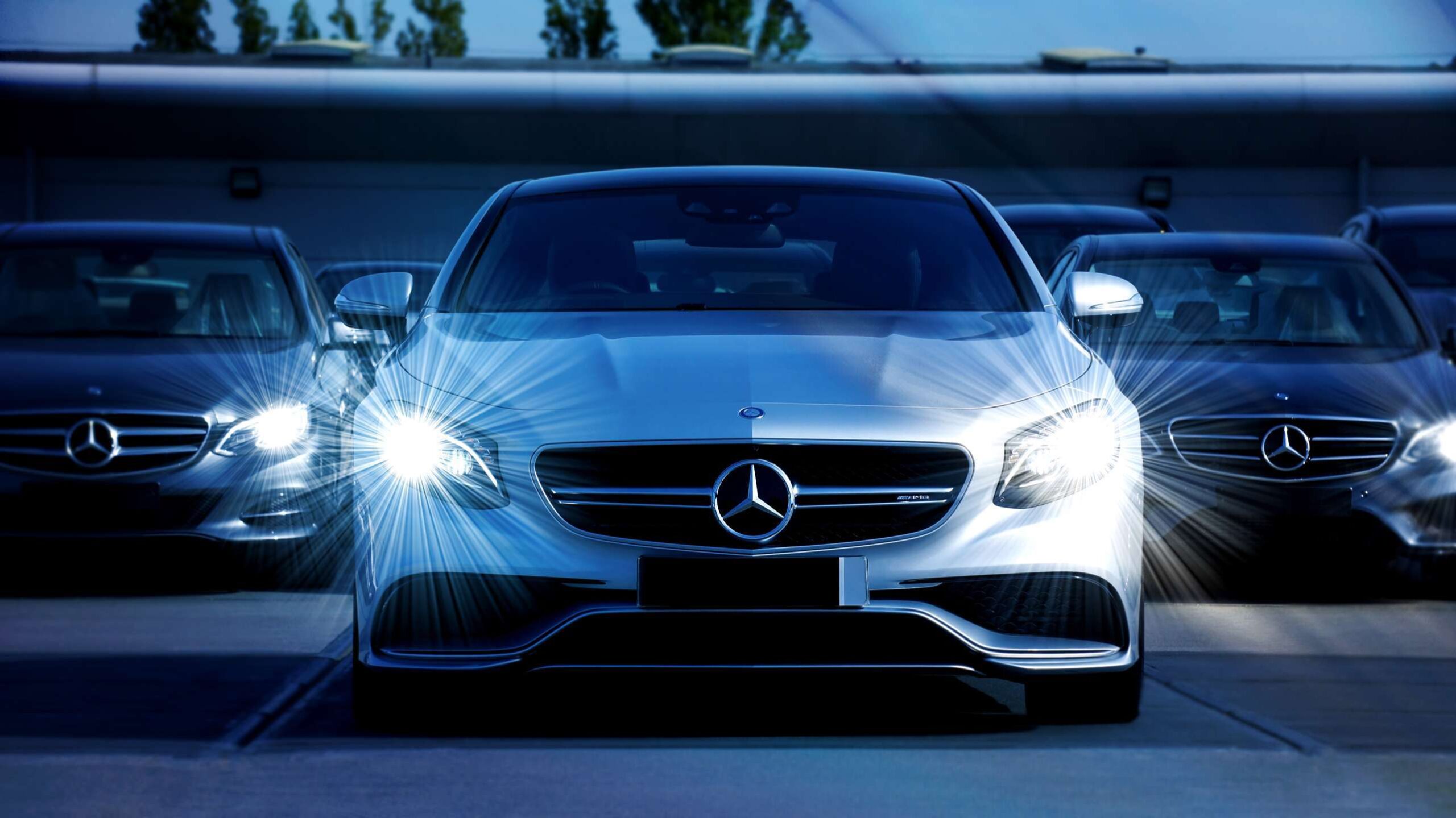
Lighting and sensor systems are undergoing intense improvements, which are critical as cars become more automated. From high‑definition matrix LED headlights to laser or micro‑LED systems, the illumination of the road is being re‑discovered and re-configured.
Also, sensor arrays including LiDAR, radar, cameras and IMUs are reaching new levels of intelligence by enabling improved detection, awareness, and automated interventions. Features such as matrix beams that selectively darken segments to avoid dazzling oncoming drivers, or LiDAR that identifies small obstacles far quicker, are no longer just ideas.
Why These Technology Trends Matter
Together, these technology trends reflect a shift in how vehicles operate, how drivers interact with them, and what the vehicular ecosystem looks like.
- Safety: With V2X, AR dashboards, and advanced sensors, there is less risk of accidents.
- Ownership experience: AI, software updates and charging infrastructure mean the car you buy today will continue to expand and evolve over time.
- Resale value: Cars equipped with these future‑proof tech features will hold their value for extended periods of time.
- Usability: Whether you drive 10 miles a day or commute long distances, reliability, convenience and connectivity are improving.
What Buyers Should Do Now
- Research: Focus less on appearance and more on tech specs such as charging speed, software update policy, sensor packages.
- Ask questions: When at the dealership, ask about these features.
- Stay flexible: Not all tech will work flawlessly from day one. Some features may still be in the early stages. Keep an open mind and learn to pivot expectations.
Final Thoughts
The year 2026 promises a remarkable lineup of car‑tech innovations that blend safety, connectivity, and electrification in new ways. The vehicles on sale then will feel closer to “smart devices on wheels” than ever before. If you’re thinking of buying in that window, focusing on tech features is as important as engine, color or interior trim.
What is your reaction?