

The Psychology of Car Colors: What Your Paint Choice Says About You
For most drivers, choosing car colors feels like a simple aesthetic decision and something that depends on the dealer’s availability or a shade that just looks right, but psychologists, automakers, and even insurance companies have noticed that your chosen paint color often reflects far more than personal taste. Car colors can signal your personality, lifestyle, and even your desire for others to perceive you a certain way.
Color psychology isn’t an exact science, of course, but patterns emerge consistently across cultures and vehicle types. Cars are becoming increasingly customizable with more matte finishes, bolder hues, and limited-edition palettes than ever. Your car’s paint color now serves a story telling tool.
Below, we break down what popular car colors may reveal about the driver, and why certain shades dominate different segments of the auto market.
White: The Color of Cleanliness and Control
White consistently ranks as the most popular car color in the world. Drivers who choose white often appreciate order, simplicity, and clarity. White car owners value a clean, minimalist aesthetic and prefer a vehicle that leans more modern and timeless.
White cars also project a sense of responsibility. Fleet buyers, medical professionals, and tech-oriented consumers gravitate toward the color because it implies responsibility, stability, and composure.
Interestingly, white is also seen as the least emotionally charged color. It’s a “safe” choice, which is likely why it remains the most popular.
Black: The Color of Power and Sophistication
Black has long been associated with prestige, strength, and elegance. Luxury brands often highlight black in their marketing because it enhances a car’s perceived value and authority. Several car brands offer a “black edition” model due to its bold, capturing effect.
Drivers drawn to black tend to appreciate refinement and control. They may prefer a more understated but commanding presence on the road, valuing quality over flashiness.
There’s also a psychological link between black cars and confidence: people who choose this color often view their car as an extension of their self-value.
Several car buyers have become increasingly interested in black and white two tone exteriors to blend their desire for luxury and simplicity.
Gray and Silver: The Colors of Practicality and Modernity
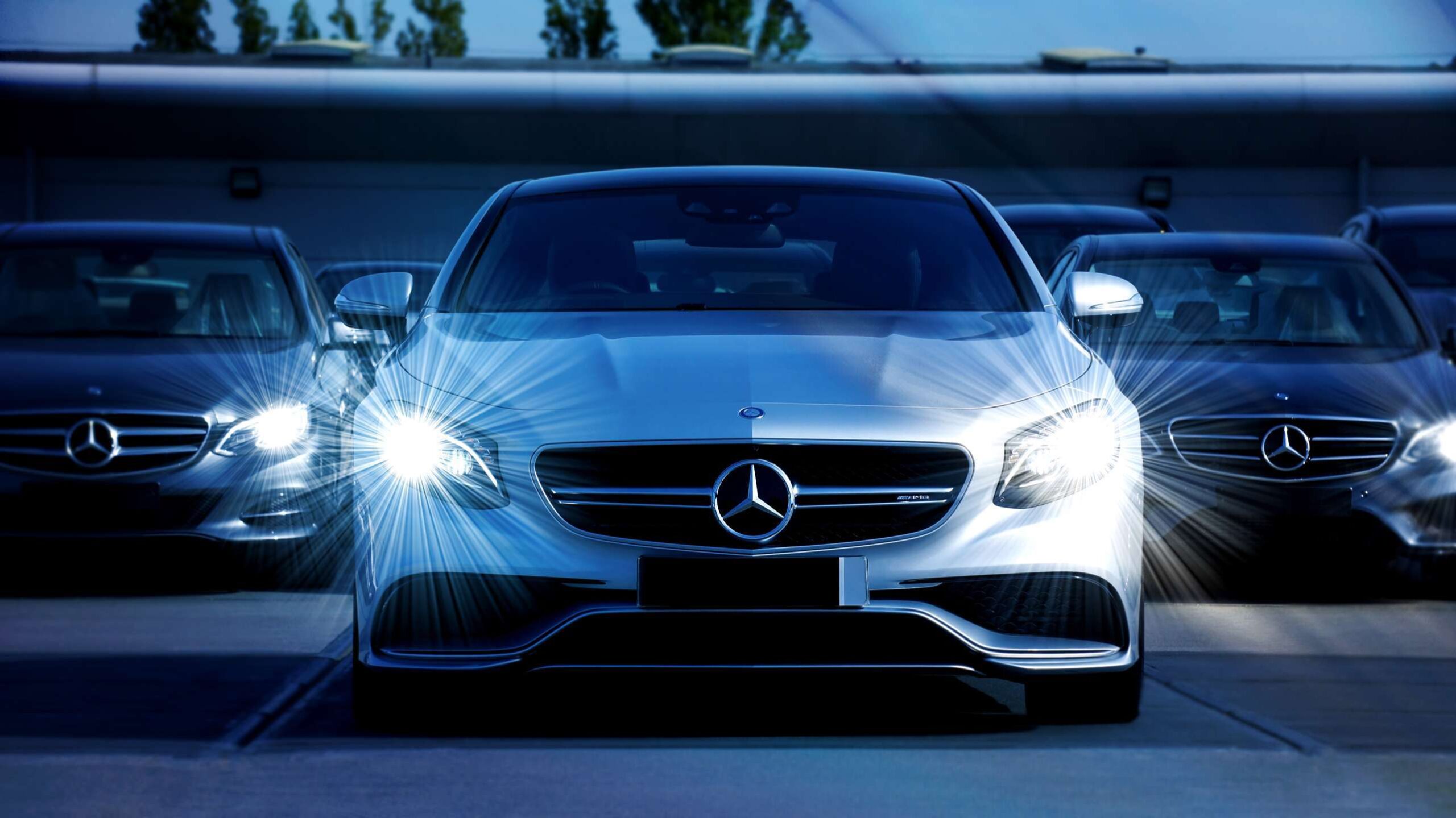
Gray and silver appeal to people who appreciate balance. These drivers enjoy modern design but don’t feel the need to draw attention. Gray conveys neutrality, while silver hints at innovation and technology. For example, brushed aluminum and industrial materials have a futuristic appeal.
People who choose these colors are often pragmatic and level-headed. They value a car that looks clean even after a rainy week and prefer a hue that won’t go out of style.
Both colors are also strong contenders for resale value, making them a favorite among long-term planners.
Red: The Color of Passion and Performance
Red cars stand out. They are bold, energetic, and often sporty. Red has long been linked to passion, excitement, and confidence. Drivers who choose it may enjoy attention, or they might simply love the emotional charge that comes with a bright, vibrant color.
Sports car manufacturers frequently use red to emphasize speed and power. Even on practical vehicles, red adds personality and flair. Red car owners may be more extroverted or enthusiastic, or simply feel energized by a dynamic color that reflects their zest for life
Blue: The Color of Calm Confidence
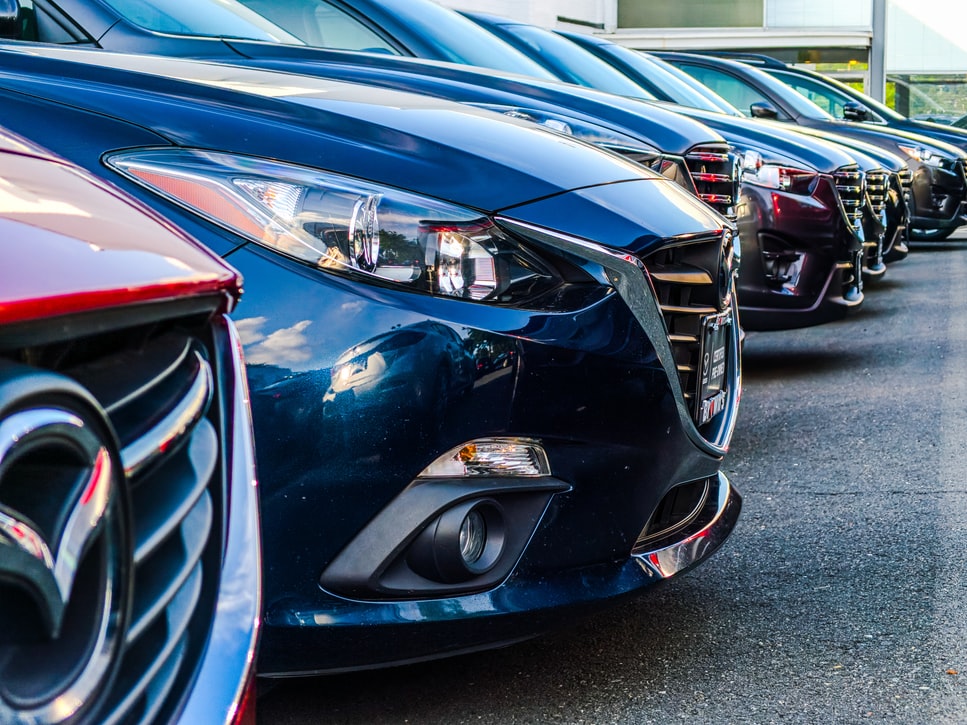
Blue is one of the most psychologically complex automotive colors, offering different meanings depending on the shade. Light blues convey relaxation and a state of peace. Deep navy tones suggest professionalism and trust.
Drivers who choose blue often have a composed but confident personality. They appreciate calmness, but they’re not afraid to express individuality through a car color that’s both distinct and approachable.
Other Car Colors and What They Suggest
- Green: Nature-oriented, balanced, independent, and sometimes nostalgic. Green has seen a resurgence as sustainability becomes more central in automotive design.
- Yellow: Optimistic, quirky, and fun-loving. Yellow car owners usually aren’t afraid to stand out.
- Orange: Adventurous, sporty, and bold. Orange remains popular among off-road and performance vehicle enthusiasts.
- Brown/Beige: Practical, simple, and grounded. These colors suggest a preference for comfort and tradition.
How Automakers Use Color Psychology
Automakers invest heavily in color research. Everything from regional preferences to climate to cultural symbolism influences which colors are offered in different markets.
For example, bright colors often appear in performance and compact segments, while luxury SUVs lean into monochromes like black, white, and gray. EV manufacturers frequently use blues, greens, and metallics to align with themes of sustainability and advanced technology.
Final Thoughts on Car Colors
Your car’s exterior color might seem like a small detail, but it seamlessly communicates your tastes and personality every time you hit the road. Whether you choose classic black, cool silver, adventurous orange, or something completely unique, the hue you drive can reflect who you are or who you want to be.
What is your reaction?