

Cars as Time Capsules: What Vintage Interiors Tell Us
The cracked leather, the chunky dials, the quirky switchgear: every detail of a classic car’s interior whispers stories about the era it rolled out of. From the tailfin optimism of the 1950s to the digital-dream dashboards of the 1980s, vintage interiors are time capsules, preserving the culture, tech, and vibe of their day. Let’s pop the hood on what these cabins tell us about the past—and why they still get our motors running.

The 1950s: Chrome Dreams and American Swagger
Picture a 1957 Chevy Bel Air. The interior’s a riot of chrome trim, pastel vinyl, and bench seats wide enough to host a family picnic. This was the post-war boom. America was flexing its economic muscle, and cars were the ultimate status symbols. Interiors screamed bigger is better, with two-tone color schemes and plush upholstery that mirrored the era’s obsession with prosperity. The dashboard? A gleaming altar of analog gauges, often with a radio that took a full minute to warm up. These cabins weren’t just about getting from A to B; they were about cruising in style, windows down, Elvis on the airwaves.
Fun fact: Many ‘50s cars had push-button automatic transmissions, a nod to the era’s fascination with gadgetry. Check out the Chrysler 300C’s push-button PowerFlite controls—pure Jetsons energy. These interiors reflected a society looking forward, dreaming of space travel and suburban utopias.

Why It Matters Today: The ‘50s aesthetic still inspires custom builders and resto-modders. That bold chrome-and-vinyl vibe? You’ll see it in modern hot rods or even Dodge’s retro-flavored Challenger interiors.

The 1960s: Muscle and Minimalism
Fast-forward to the 1960s, and the vibe shifts. Muscle cars like the 1969 Ford Mustang Mach 1 or Pontiac GTO had interiors that prioritized performance over plush. Bucket seats hugged you tight, and the steering wheel was a thin, no-nonsense hoop. Dashboards got simpler—fewer frills, more focus on the tachometer. This was the era of drag strips and rebellion, and interiors reflected that raw, youthful energy.
But it wasn’t all spartan. Luxury models like the Cadillac Eldorado leaned into excess with power-everything—windows, seats, even vents. Woodgrain trim and deep-pile carpets screamed sophistication, while early warning lights for oil or temp hinted at tech creeping in. The ‘60s interior was a tug-of-war between horsepower and high society.
Why It Matters Today: Muscle car interiors influence modern performance cars like the Chevy Camaro or Ford Mustang. Those bolstered seats and driver-focused layouts? Pure ‘60s DNA.

The 1970s: Malaise and Maximalism
The ‘70s were… complicated. Oil crises and emissions regs choked performance, but interiors? They went wild. Think shag carpeting, velour seats, and woodgrain everywhere. Open a 1976 Lincoln Continental, and you’re hit with a lounge-like cabin—plush, overstuffed, and occasionally garish. Colors got bold: avocado green, burnt orange, mustard yellow. It was like your grandma’s living room on wheels.
Tech started sneaking in, too. Early cruise control, 8-track players, and CB radios (truckers, anyone?) reflected a society grappling with economic woes but still craving connection and comfort. The 1978 Chrysler New Yorker’s “Corinthian leather” (a marketing term, not a real thing) became a cultural icon, thanks to Ricardo Montalbán’s silky pitch.
Why It Matters Today: The ‘70s love for bold colors and textures pops up in custom shops and retro-inspired concept cars. Plus, that analog charm—knobs, sliders, and tactile switches—still feels more soulful than today’s touchscreens.

The 1980s: Digital Dreams and Synthwave Vibes
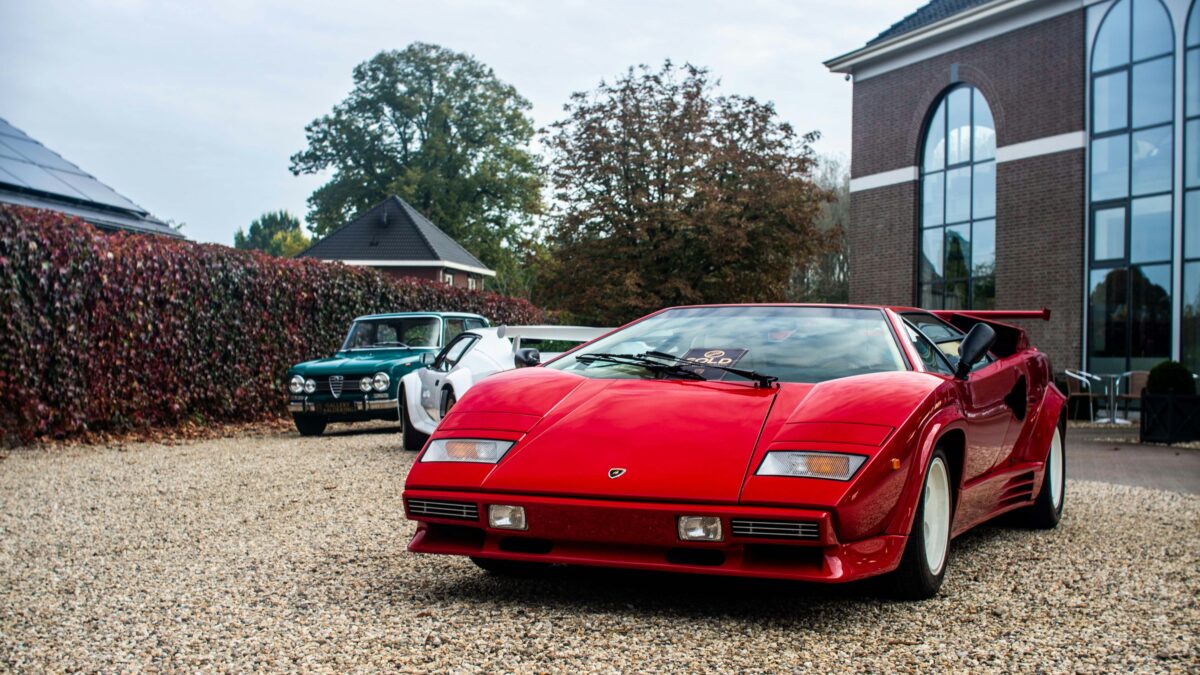
If the ‘70s were a lounge, the ‘80s were a sci-fi flick. Digital dashboards lit up like arcade games in cars like the 1984 Corvette or Nissan 300ZX. Blocky LCDs and glowing red digits screamed “future,” even if the tech was clunky by today’s standards. Interiors got boxier, with angular designs and plasticky materials reflecting the era’s obsession with efficiency and electronics.
Pop-up headlights weren’t just exterior flair—they paired with cockpit-like cabins that made you feel like a fighter pilot. The DeLorean DMC-12, with its gullwing doors and stainless-steel aesthetic, was peak ‘80s fantasy. Even budget cars like the Honda CRX got in on the act with futuristic gauges and sporty layouts.
Why It Matters Today: The ‘80s aesthetic is having a moment. Synthwave culture and retro-futurism inspire everything from Tesla’s Cybertruck angles to aftermarket LED dash conversions.

The 1990s: The Dawn of Practicality
By the ‘90s, cars were getting practical, but interiors still had personality. The decade gave us the Miata’s minimalist cockpit—simple, driver-focused, with a perfect manual shifter. Meanwhile, SUVs like the Jeep Grand Cherokee brought rugged luxury, with leather seats and early infotainment systems. Gray plastic dominated (sorry, beige), but airbags and cupholders became standard, reflecting a safety-conscious, on-the-go culture.
Tech was no longer a gimmick. The 1997 Toyota Prius introduced hybrid power, and its interior—clean, functional, with a quirky central display—hinted at the eco-revolution to come. Meanwhile, boy-racer vibes in cars like the Mitsubishi Eclipse kept things fun with bright trim and sporty seats.
Why It Matters Today: The ‘90s blend of practicality and personality lives on in compact sports cars and crossover SUVs. That Miata spirit? It’s why affordable, fun-to-drive cars still have a cult following.
Why Vintage Interiors Still Rev Our Engines
Vintage car interiors are mirrors of their time, reflecting everything from economic booms to tech revolutions. They remind us that cars are more than machines; they’re cultural artifacts. Whether it’s the chrome glitz of the ‘50s or the digital flash of the ‘80s, these cabins tell stories of ambition, rebellion, and innovation.
Want to experience this history yourself? Hunt down a car show, scour X for local cruise-ins, or check out virtual tours of automotive museums. Better yet, find a classic to drive—nothing beats the feel of an old-school steering wheel in your hands. What’s your favorite vintage interior? Drop a comment below!
What is your reaction?